

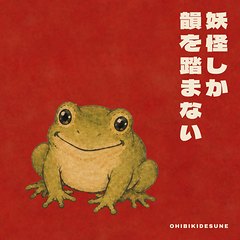

人には意味がある。妖怪には響きがある。Humans have meaning. Yōkai have resonance.
The song 妖怪しか韻を踏まない (Only Yōkai Rhyme) begins as a poem in the old court style, which holds that rhyme is beneath it. Then the yōkai laugh and answer in plain speech. Here are five words from the song, the old way of saying “not” it plays with, and where to go next.
Five Words from the Song
-
韻
in · rhyme
The song’s subject. 韻を踏む (in o fumu), “to step on a rhyme”, is how Japanese says “to rhyme”.
韻を踏むなど あさましきこと
-
調べ
shirabe · the tune of a verse
In poetry, the measure and music of the lines, here 5-7-5-7-7. The verb 調べる (shiraberu) means “to look into”.
五・七・五・七・七 調べを重ね
-
露
tsuyu · dew
露ほども (tsuyu hodo mo) with a “not”: not even a dewdrop’s worth, not in the least.
同じ音など 露ほども追わず
-
言の葉
koto no ha · words (in poetry)
Literally “the leaves of words”. The everyday word for “word”, 言葉 (kotoba), grew from it.
言の葉は 余韻に託し 静かに結ぶ
-
響け
hibike · ring out
The command form of 響く (hibiku), to ring, to resonate: the word in our band’s name, お響きですね.
笑われるほど もっと響け!
The Grammar: ず, the Old “Not”
The song opens in the written Japanese of old court poetry, and its verbs say “not” the old way: 露ほども追わず, “never chases, not by a dewdrop”. Today’s Japanese would say 追わない (owanai); the song says 追わず (owazu).
The old form lives on in words heard every day: 思わず (omowazu, “without meaning to”), 相変わらず (aikawarazu, “as always”), 知らず知らず (shirazu shirazu, “without noticing”).
Then the yōkai answer, and the song drops into plain speech: 誰が決めた?, “Who decided that?” Old verse and everyday talk, side by side, carry the song.
With This Song
- Read the song’s Japanese with furigana, the readings over the kanji.
- Write つゆ (tsuyu, dew) on a practice sheet, in hiragana.
- The words as sung, each line with its English, in the band’s room.
Lines in the yōkai’s own tongue are not translated. We also refrain from comment on individual syllables.
